
Real Madrid vs Barcelona – El Clasico’s Political and Sporting Drama
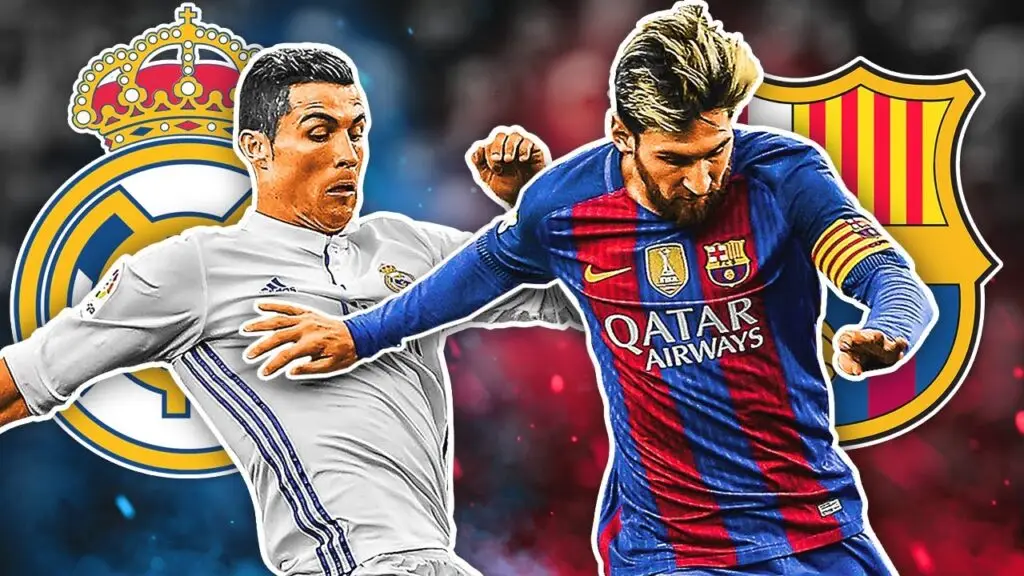
El Clasico transcends football through its historical, political, and cultural significance that extends far beyond sporting competition. The rivalry between Real Madrid and Barcelona represents Spain’s complex regional dynamics, with Barcelona symbolizing Catalan independence aspirations while Real Madrid embodies Spanish centralism. These political undertones intensify every encounter between the clubs.
Franco’s dictatorship period (1939-1975) added political dimensions that still influence the rivalry today. Real Madrid’s perceived association with the Franco regime contrasts with Barcelona’s identification with Catalan resistance. While modern politics have evolved, these historical connections continue shaping fan attitudes and media narratives surrounding each match.
The sporting quality consistently matches the political intensity, featuring football’s greatest players across different generations. Recent decades showcased Lionel Messi versus Cristiano Ronaldo duels that defined individual excellence. Earlier periods featured Alfredo Di Stéfano, Johan Cruyff, and other legends who elevated both clubs’ global reputations through their performances.
Tactical innovations often emerge from Clasico encounters as coaches develop specific strategies for these crucial matches. Pep Guardiola’s possession-based approach at Barcelona contrasted with José Mourinho’s counter-attacking philosophy at Real Madrid, creating tactical battles that influenced modern football. These strategic evolutions spread throughout world football as other teams adopted successful Clasico tactics.
Brazil vs Argentina – South American Supremacy
Brazil and Argentina’s rivalry represents South America’s football supremacy battle, featuring the continent’s two most successful national teams. Their encounters showcase distinct football philosophies: Brazil’s emphasis on technical skill and creativity versus Argentina’s tactical discipline and individual brilliance. These contrasting approaches create compelling matches that highlight different paths to footballing excellence.
Historical World Cup meetings intensified the rivalry through decisive tournament encounters. Their 1990 World Cup clash saw Brazil dominate while systematically targeting Diego Maradona with tactical fouls, demonstrating how rivalry intensity can influence match strategies. These encounters often determine South American World Cup representation and regional bragging rights.
The rivalry extends beyond national teams to club competitions and player comparisons. Pelé versus Maradona debates divided football fans globally, while recent Messi versus Brazilian stars discussions continue this tradition. These individual comparisons reflect broader questions about football’s essential qualities and what constitutes greatness.
Copa América encounters between Brazil and Argentina frequently decide championship outcomes. Their meetings in this tournament showcase South American football at its highest level, with passionate support creating atmospheres that intimidate neutral observers. The intensity of these matches often exceeds even World Cup encounters due to regional pride and historical significance.
Manchester United vs Liverpool – English Football’s Fiercest Feud
The Northwest Derby between Manchester United and Liverpool represents English football’s most intense domestic rivalry. Industrial history created the foundation for this animosity, with Manchester’s cotton mills competing economically with Liverpool’s maritime trade. These economic rivalries transferred to football when both clubs achieved national prominence.
Liverpool’s dominance during the 1970s and 1980s contrasted with Manchester United’s success in the 1990s and 2000s. These alternating periods of superiority maintained competitive balance while ensuring neither fanbase could claim permanent advantage. The rivalry’s intensity remained constant despite changing fortunes for both clubs.
Tragic events like the Munich Air Disaster (1958) and Hillsborough Disaster (1989) temporarily united both fanbases in mutual respect. These tragedies demonstrated football’s capacity to transcend rivalry through shared humanity. However, competitive animosity quickly resumed once appropriate mourning periods concluded.
Modern encounters continue featuring football’s highest quality as both clubs attract world-class players. The rivalry’s global television audience makes these matches among England’s most watched sporting events. International fans often choose allegiances based on these clubs’ rivalry dynamics and historical achievements.
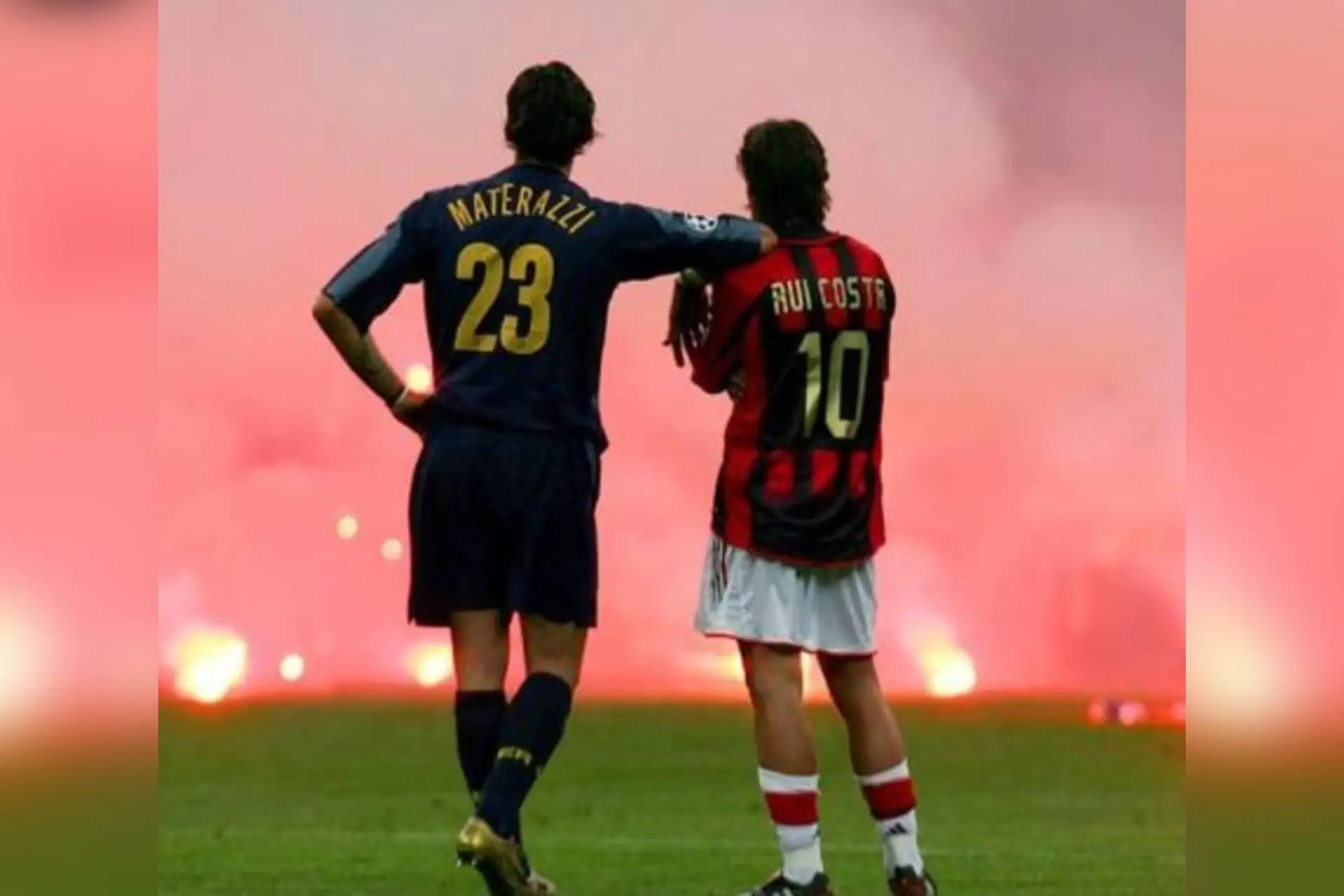
AC Milan vs Inter Milan – The Derby della Madonnina
Milan’s city derby features unique characteristics as both clubs share the iconic San Siro stadium. This shared venue creates unusual dynamics where home advantage alternates while the physical location remains constant. The stadium’s divided loyalties during derby matches create atmospheres unlike typical home-away encounters.
Political differences historically separated the clubs’ supporter bases. AC Milan attracted upper-class support while Inter Milan represented working-class identity. These social divisions intensified sporting competition and created cultural significance beyond mere football results.
The rivalry’s intensity peaked during periods when both clubs competed for European honors. Their Champions League encounters elevated the derby to continental significance, with Milan versus Inter matches determining European champions. These high-stakes meetings showcased Italian tactical sophistication to global audiences.
Recent decades have seen varying fortunes affect the rivalry’s competitive balance. Inter’s Serie A success in the 2000s contrasted with AC Milan’s earlier European dominance. These fluctuating periods maintain interest while ensuring neither club establishes permanent superiority over their city rivals.
Football rivalries create emotional connections that transcend rational analysis, generating passion that defines the sport’s cultural significance. These classic battles continue evolving while maintaining essential characteristics that make them timeless. Each encounter adds new chapters to ongoing stories that connect past legends with future stars.