

Physical Conditioning and Athletic Performance
Modern football success relies heavily on scientific approaches to physical conditioning that optimize player performance throughout demanding seasons. Contemporary players cover between 10-12 kilometers per match while performing high-intensity sprints, jumps, and directional changes that require exceptional fitness levels. Sports scientists now design training programs that address specific physical demands of different positions.
Cardiovascular endurance forms the foundation of football fitness, enabling players to maintain performance levels during crucial late-match periods. Heart rate monitoring during training sessions allows coaches to optimize conditioning programs for individual players. Lactate threshold testing determines each player’s capacity to perform high-intensity actions repeatedly without excessive fatigue.
Strength training has evolved from basic weight lifting to position-specific programs that enhance functional movement patterns. Defensive players require different strength characteristics than attackers, with training programs reflecting these positional demands. Plyometric exercises improve explosive power for jumping and sprinting, while stability training reduces injury risk during sudden directional changes.
Recovery protocols now utilize scientific methods to accelerate physical regeneration between training sessions and matches. Cryotherapy, compression garments, and specialized nutrition programs help players maintain peak condition throughout congested fixture schedules. Sleep monitoring ensures adequate rest periods that optimize performance and reduce injury susceptibility.
Tactical Analysis and Strategic Innovation
Video analysis revolutionized tactical preparation by providing detailed insights into opponent weaknesses and team performance patterns. Coaching staffs now analyze thousands of data points from each match, identifying tactical trends that influence future game plans. Statistical software tracks player movements, passing accuracy, and defensive positioning to optimize strategic decisions.
Set-piece preparation utilizes scientific principles to maximize scoring opportunities from dead-ball situations. Teams analyze opponent defensive formations during corners and free kicks, designing attacking routines that exploit identified weaknesses. Training ground practice of these situations often determines match outcomes during closely contested encounters.
Pressing triggers and defensive coordination rely on systematic analysis of opponent ball-playing patterns. Modern teams coordinate defensive actions based on predetermined signals that initiate high-intensity pressing. These tactical systems require extensive practice to execute successfully during match situations.
Formation flexibility allows teams to adapt tactical approaches during matches based on evolving circumstances. Players must understand multiple positional roles to enable seamless transitions between different systems. This tactical versatility provides coaches with strategic options that can influence match outcomes through in-game adjustments.
Technology Integration and Performance Monitoring
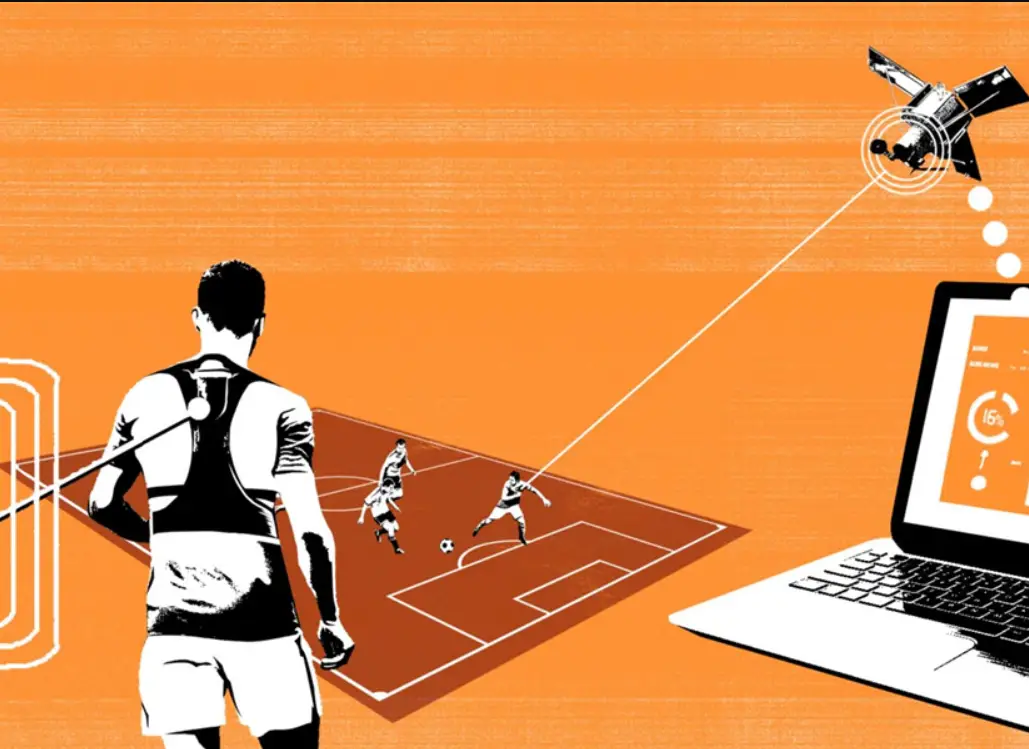
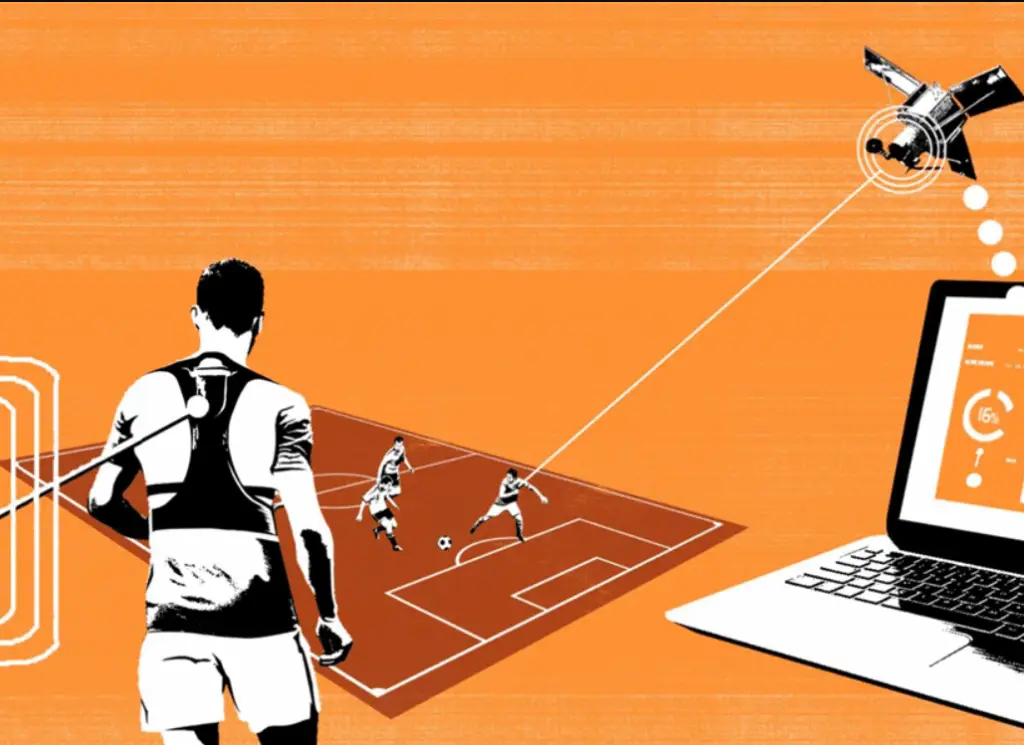
GPS tracking systems monitor player workload during training and matches, providing data that informs conditioning programs and injury prevention strategies. This technology measures acceleration, deceleration, and sprint speeds that indicate player fatigue levels. Coaches use this information to make substitution decisions and adjust training intensity.
Video assistant referee (VAR) technology has transformed match officiating by providing additional perspectives on crucial decisions. While controversial among fans and players, VAR aims to reduce obvious officiating errors that previously influenced match outcomes. The technology continues evolving as football authorities balance accuracy with game flow preservation.
Nutritional science optimizes player energy levels and recovery rates through precise dietary management. Carbohydrate timing, protein intake, and hydration strategies are tailored to individual player needs and match schedules. Sports nutritionists work closely with medical staff to ensure optimal physical condition throughout seasons.
Data analytics provide insights into player performance trends that inform transfer decisions and tactical planning. Advanced statistics like expected goals (xG) and pass completion rates in different field areas offer objective performance measures. These metrics supplement traditional scouting methods and help identify undervalued players.
Psychological Aspects and Mental Preparation
Sports psychology addresses mental factors that significantly influence individual and team performance. Confidence, concentration, and stress management directly affect player decision-making during crucial match moments. Mental skills training helps players maintain focus despite external pressures and crowd influences.
Team bonding activities and communication exercises strengthen group cohesion that translates to improved on-field coordination. Players who trust teammates make quicker passing decisions and take calculated risks that enhance attacking potential. These psychological connections often determine success levels during high-pressure situations.
Visualization techniques help players prepare mentally for various match scenarios they might encounter. Penalty kick preparation, set-piece execution, and defensive positioning can be rehearsed mentally before physical practice. This mental preparation enhances muscle memory and reduces anxiety during actual match situations.
Motivational strategies vary based on individual player personalities and team circumstances. Some players respond to aggressive encouragement while others require calm guidance. Successful coaches adapt their communication styles to maximize each player’s psychological readiness for peak performance.
The integration of science, technology, and traditional football knowledge continues advancing the sport’s tactical and physical standards. Teams that effectively combine these elements gain competitive advantages that influence match outcomes and long-term success. Future developments will likely expand these scientific applications while maintaining football’s essential human elements that make the sport compelling.