
The Boy from Três Corações Who Conquered the World
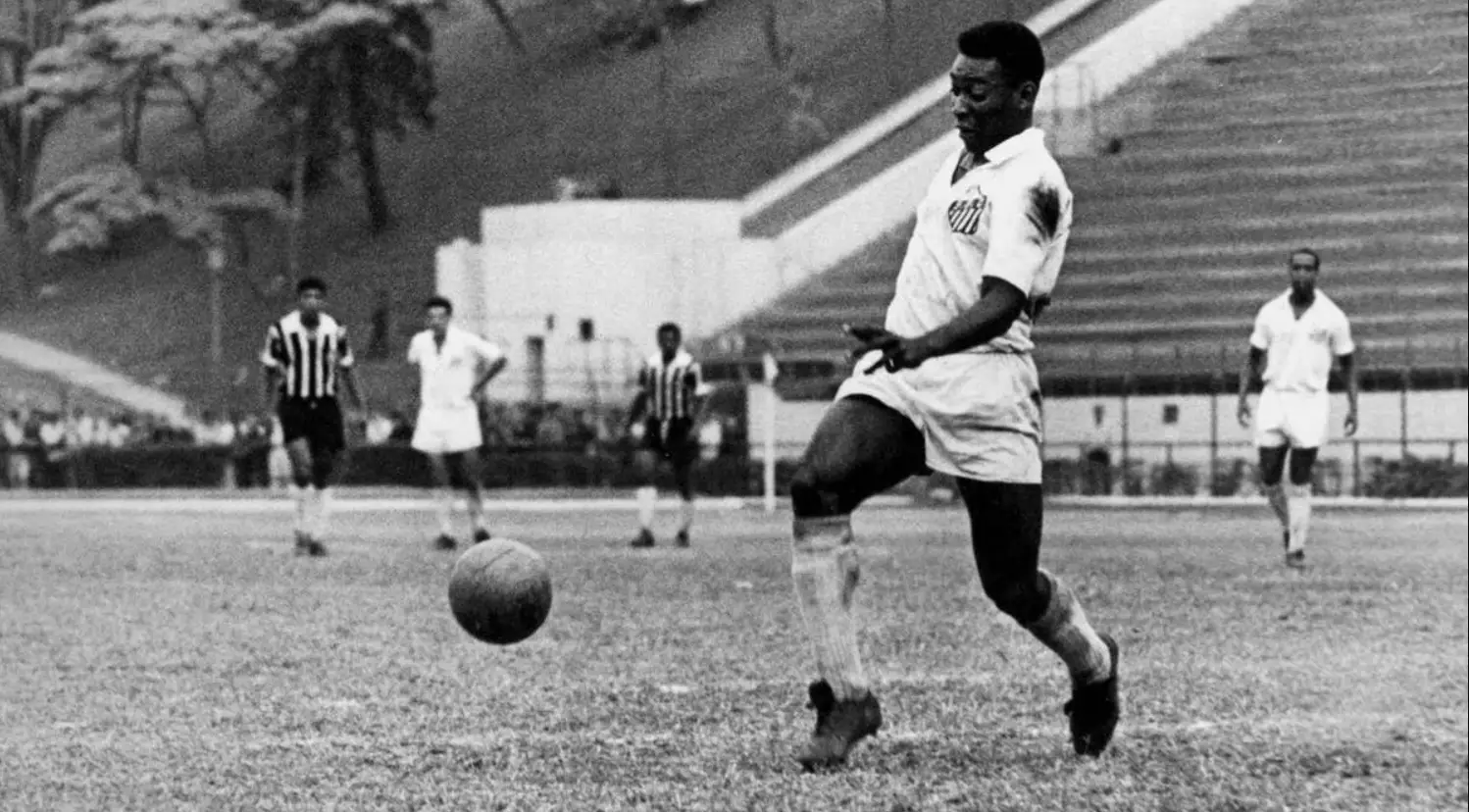
Born Edson Arantes do Nascimento on October 23, 1940, in the small Brazilian town of Três Corações, Pelé emerged from humble beginnings to become football’s greatest icon. His father, Dondinho, was a footballer for Fluminense, introducing young Edson to the sport that would make him legendary. The nickname “Pelé” emerged during his childhood, though its exact origins remain debated among football historians.
Pelé’s professional career began at Santos when he was just 15 years old, immediately displaying the exceptional skills that would define his legacy. His debut showcased remarkable technical ability and tactical intelligence far beyond his years. Within months, he was scoring regularly and attracting attention from Brazil’s national team selectors.
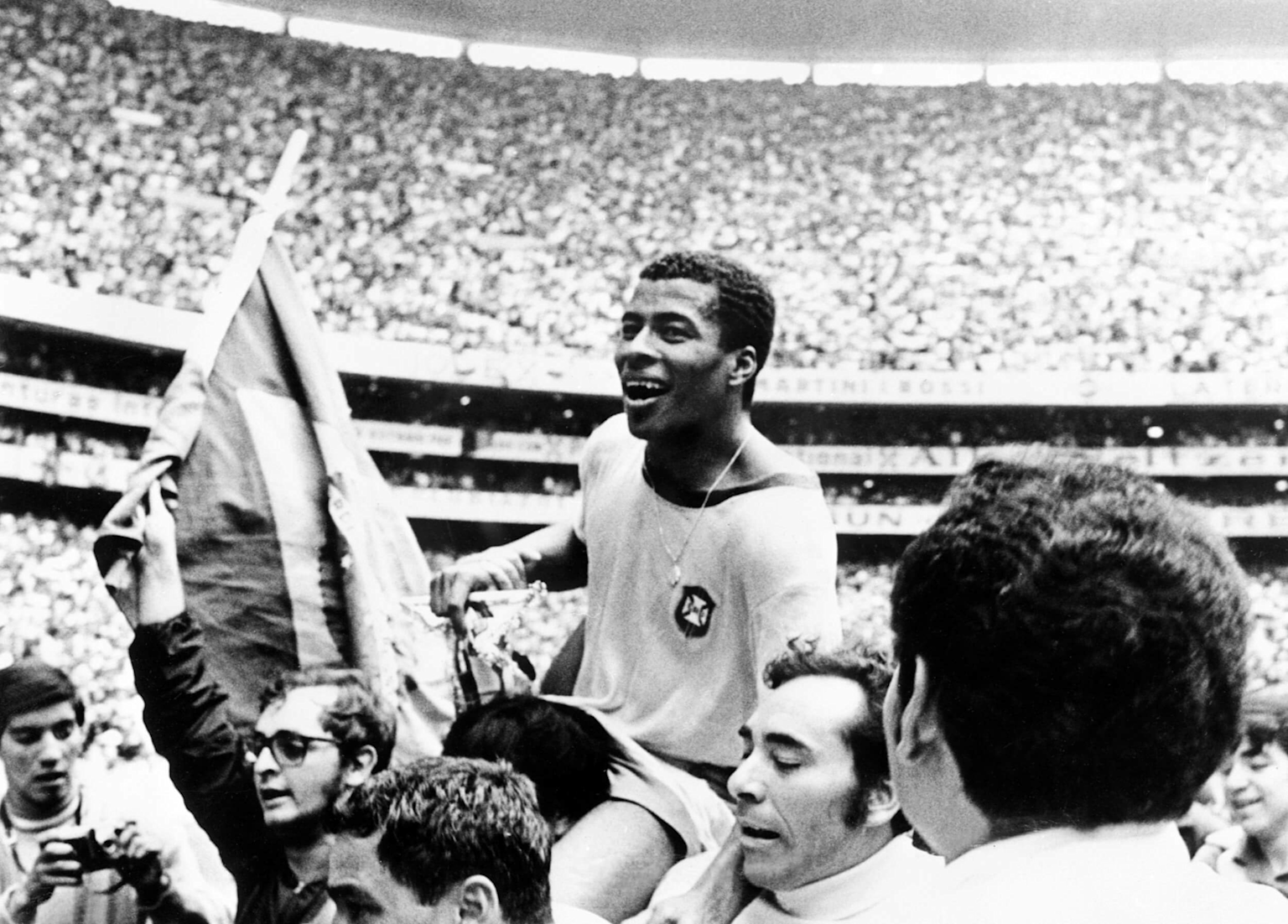
Brazilian football player celebrates winning the 1970 World Cup, carried by teammates in a packed stadium nytimes
World Cup Glory and Global Recognition
Pelé’s World Cup debut at Sweden 1958 announced his arrival on the global stage. At just 17 years old, he became the youngest player ever to score in a World Cup final, netting twice in Brazil’s 5-2 victory over Sweden. His performances throughout the tournament combined individual brilliance with team play, establishing the template for modern attacking football.
The 1962 World Cup in Chile saw Brazil defend their title, though Pelé’s tournament ended early through injury. Despite limited playing time, his presence and early contributions helped secure Brazil’s second consecutive championship, demonstrating his impact even when not fully fit.
Mexico 1970 witnessed Pelé at his absolute peak, leading what many consider the greatest national team in football history. Brazil’s 4-1 final victory over Italy showcased total football before the concept gained widespread recognition. Pelé’s performances throughout the tournament – his goals, assists, and overall play – created moments that remain iconic fifty years later.
Statistical Supremacy and Technical Mastery
Pelé’s career statistics remain remarkable even by modern standards: 1,279 goals in 1,363 games, including friendlies. This achievement earned Guinness World Record recognition and established scoring benchmarks that modern players still chase. His goal-scoring consistency maintained exceptional levels throughout different competition formats and opponent qualities.
Beyond statistics, Pelé revolutionized football’s technical aspects. His dribbling combined power with precision, allowing him to beat defenders in tight spaces while maintaining ball control. His shooting technique produced goals from impossible angles and distances, while his passing created opportunities for teammates that enhanced Brazil’s collective performance.
Pelé’s aerial ability defied his modest height, with perfectly timed jumps and powerful headers producing spectacular goals. His bicycle kicks became signature moves that inspired generations of players to attempt similar techniques. Most importantly, his vision and tactical understanding elevated teammates’ performances, making entire teams more dangerous.
Legacy Beyond Statistics
In 1999, the International Olympic Committee named Pelé “Athlete of the Century,” while Time magazine included him among the 20th century’s 100 most important people. These recognitions transcended sports, acknowledging his cultural and social impact worldwide. FIFA’s joint “Player of the Century” award (shared with Diego Maradona) confirmed his standing among football’s greatest figures.
Pelé’s influence extended beyond playing, as he became a global ambassador for football and social causes. His post-playing career included diplomatic work and efforts to promote football development in emerging nations. When he visited Nigeria during the 1960s civil war, hostilities temporarily ceased – demonstrating football’s unique power to unite people across conflicts.
The Brazilian legend’s legacy continues inspiring new generations of players and fans. His emphasis on technical skill, team play, and sporting conduct established standards that remain relevant in modern football. Pelé proved that individual brilliance and collective success could coexist, creating the model for football’s continuing evolution as the world’s most beautiful game.