
Uruguay 1930: The First World Cup Adventure
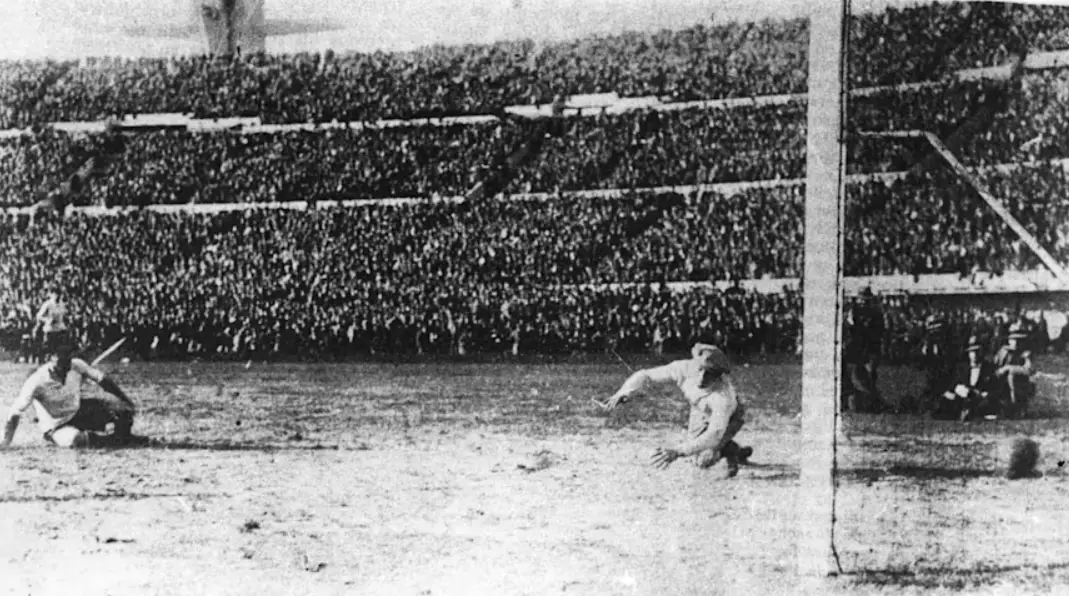
FIFA’s inaugural World Cup in Uruguay established the template for football’s greatest tournament. Only thirteen teams participated, with many European nations declining due to the lengthy sea voyage to South America. Uruguay’s selection as host nation recognized their Olympic football victories in 1924 and 1928, positioning them as football’s emerging powerhouse.
The tournament’s modest beginnings contrasted sharply with modern World Cup spectacles. Matches were played in Montevideo’s Estadio Centenario, built specifically for the tournament. Uruguay’s 4-2 final victory over Argentina provided the host nation with their first World Cup triumph, establishing the competition’s credibility and future potential.
Early World Cup tournaments featured significantly different dynamics than contemporary competitions. Teams traveled by ship, requiring weeks of journey time that modern air travel eliminated. Lower participation levels meant fewer qualifying matches, with some nations receiving automatic invitations to ensure adequate tournament size.
Brazil 1950: The Maracanazo Shock
Brazil hosted the 1950 World Cup expecting to celebrate their first title on home soil. The newly constructed Maracanã Stadium in Rio de Janeiro could accommodate nearly 200,000 spectators, creating an atmosphere unlike any previous football match. Brazil’s group stage performances suggested inevitable triumph, with their attacking style overwhelming opponents.
The final group stage (which replaced a traditional final) pitted Brazil against Uruguay needing only a draw to secure the title. Over 173,000 spectators packed the Maracanã expecting Brazilian celebration, but Uruguay produced one of football’s greatest upsets through Alcides Ghiggia’s late winner. The defeat devastated Brazilian football and created the term “Maracanazo” for shocking defeats.
This tournament demonstrated World Cup football’s unpredictable nature. Favorites could falter under pressure, while underdogs might achieve immortality through single matches. Uruguay’s triumph over heavily favored Brazil provided the tournament with legendary status and proved that football matches are decided on pitches, not in predictions.
England 1966: Home Glory and Controversy
England’s 1966 World Cup triumph on home soil featured moments that remain debated decades later. The tournament’s organization showcased England’s football heritage while introducing innovations like television coverage that expanded global audiences. Bobby Charlton, Geoff Hurst, and Bobby Moore became national heroes through performances that defined English football’s golden generation.
The final against West Germany at Wembley Stadium created World Cup history through Geoff Hurst’s hat-trick. His second goal sparked controversy when the ball struck the crossbar and potentially crossed the goal line. Soviet linesman Tofiq Bahramov’s decision to award the goal influenced the match outcome and generated debate that continues among football analysts.
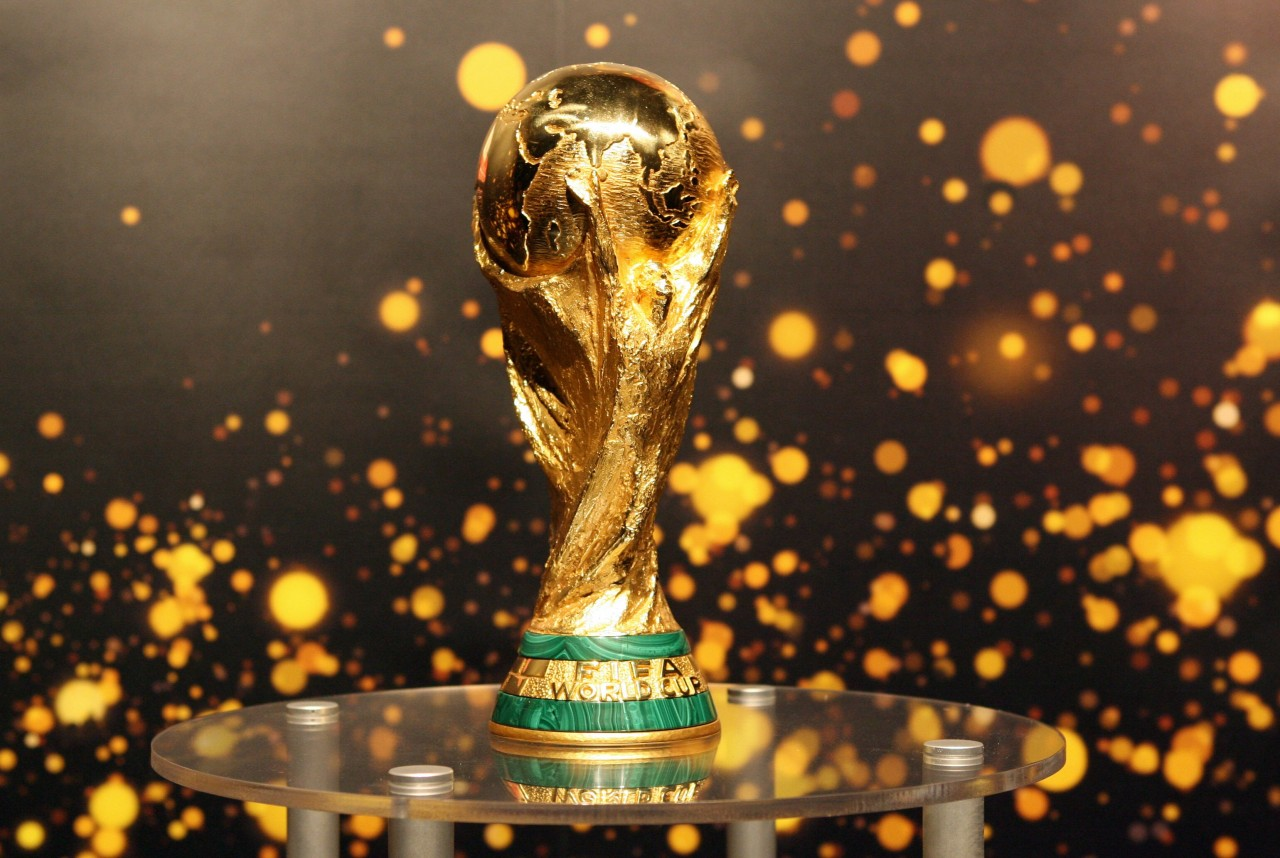
The FIFA World Cup Trophy, symbolizing global football excellence and history pzpn
England’s victory represented the host nation advantage that characterized early World Cup tournaments. Home support, familiar conditions, and favorable scheduling often benefited host countries. This pattern continued through various tournaments until global competition levels equalized these advantages.
Mexico 1970: Television’s Global Stage
The 1970 World Cup in Mexico became the first tournament broadcast globally in color television. This technological advancement transformed World Cup viewing experiences and established the tournament as truly global entertainment. Brazil’s brilliant team performances combined with improved broadcasting created lasting memories for worldwide audiences.
Pelé’s final World Cup performance reached artistic heights that elevated the entire tournament. His partnerships with Tostão, Gerson, and Carlos Alberto produced football moments that transcended sport. The team’s attacking philosophy and technical skills created the template for “beautiful game” football that continues inspiring players and fans.
The tournament’s high-altitude venues in Mexico City affected playing conditions significantly. Teams required acclimatization periods to adapt to reduced oxygen levels, creating tactical adjustments that influenced match outcomes. These environmental factors added complexity to team preparation and strategic planning.
Argentina 1978 and 1986: South American Passion
Argentina’s World Cup victories in 1978 and 1986 showcased South American football passion and individual brilliance. The 1978 tournament, held during political turmoil, provided national unity through football success. Mario Kempes emerged as tournament star while Argentina claimed their first World Cup title.
Diego Maradona’s 1986 performances in Mexico elevated individual World Cup dominance to unprecedented levels. His five goals and five assists led Argentina to victory while creating moments that defined tournament history. The “Hand of God” and “Goal of the Century” against England encapsulated Maradona’s complex legacy of genius and controversy.
These tournaments demonstrated how World Cup success could unite entire nations. Argentina’s celebrations following both victories created lasting memories for generations of supporters. The emotional connection between teams and supporters during World Cup competitions continues defining the tournament’s special character.
The World Cup’s evolution from modest beginnings to global spectacle reflects football’s growth as the world’s most popular sport. Each tournament added layers of history, tradition, and memorable moments that enhance the competition’s prestige. Modern World Cups continue this legacy while adapting to contemporary demands and technological capabilities.