
Since the inaugural 1970 World Cup in Mexico, Adidas has crafted the official match ball for every tournament, blending innovation, design, and technology. Over the decades, these balls have become cultural touchstones—symbols of football’s greatest moments and technical achievements. Drawing on aesthetics, cultural relevance, gameplay performance, and pioneering features, this article ranks the fourteen official World Cup balls, charting their legacy from the classic Telstar to the cutting-edge Trionda.
Methodology and Criteria
Balls are evaluated across four dimensions:
- Design & Aesthetics: How well the ball’s visuals represent the host nation or tournament theme.
- Cultural Resonance: The depth of connection between design elements and local heritage.
- Technical Innovation: Advances in panel construction, materials, or embedded technology.
- Match Performance: Feedback from professionals on flight stability, touch, and consistency.
14. Jabulani (South Africa 2010)
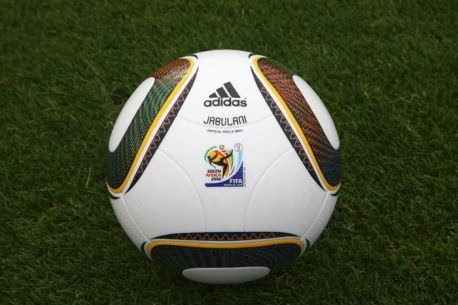
Intended to celebrate (“Jabulani” means “to celebrate” in Zulu), the eight-panel design and textured surface aimed to enhance control. Instead, unpredictable swerve and mid-air deviations earned criticism from goalkeepers Julio César and Gianluigi Buffon. Its erratic trajectory overshadowed any cultural ambition.
13. Tango España (Spain 1982)
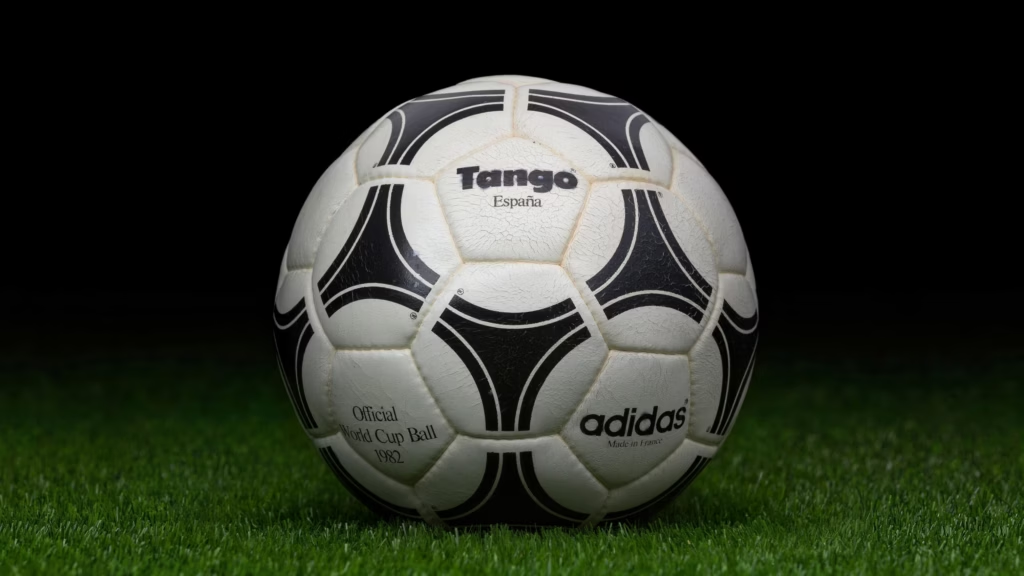
Building on the original Tango style, rubberized seams were supposed to repel water but failed, forcing frequent ball changes in downpours. While elegant, its practical shortcomings dimmed what might have been a design triumph.
12. Tango Durlast (Argentina 1978)
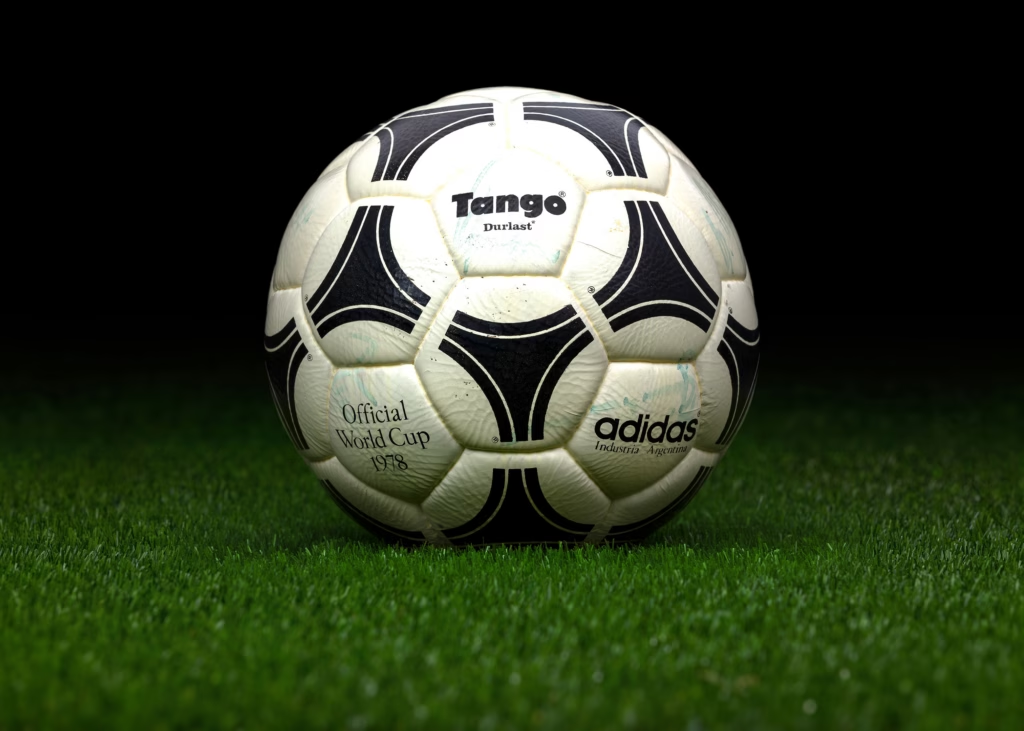
The precursor to Tango España fared better: durable construction and the first circular “Tango” pattern set a design standard lasting over two decades. Its name paid homage to Argentina’s famed dance, anchoring culture and style.
11. Telstar 18 (Russia 2018)
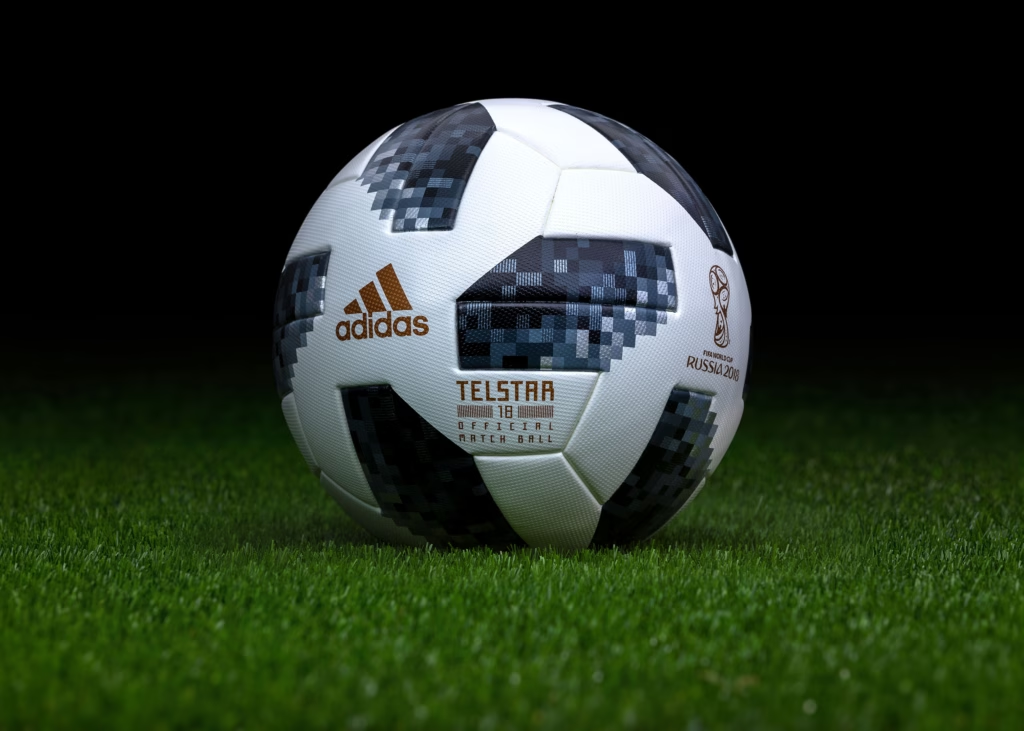
A modern twist on the classic Telstar, its pixelated greyscale panels evoked the 1970 original, albeit with mixed reception—some saw coffin-like shapes, while the six-panel build surprisingly delivered reliable performance. A knockout-stage red-blotched variant added flair.
10. Questra (USA 1994)
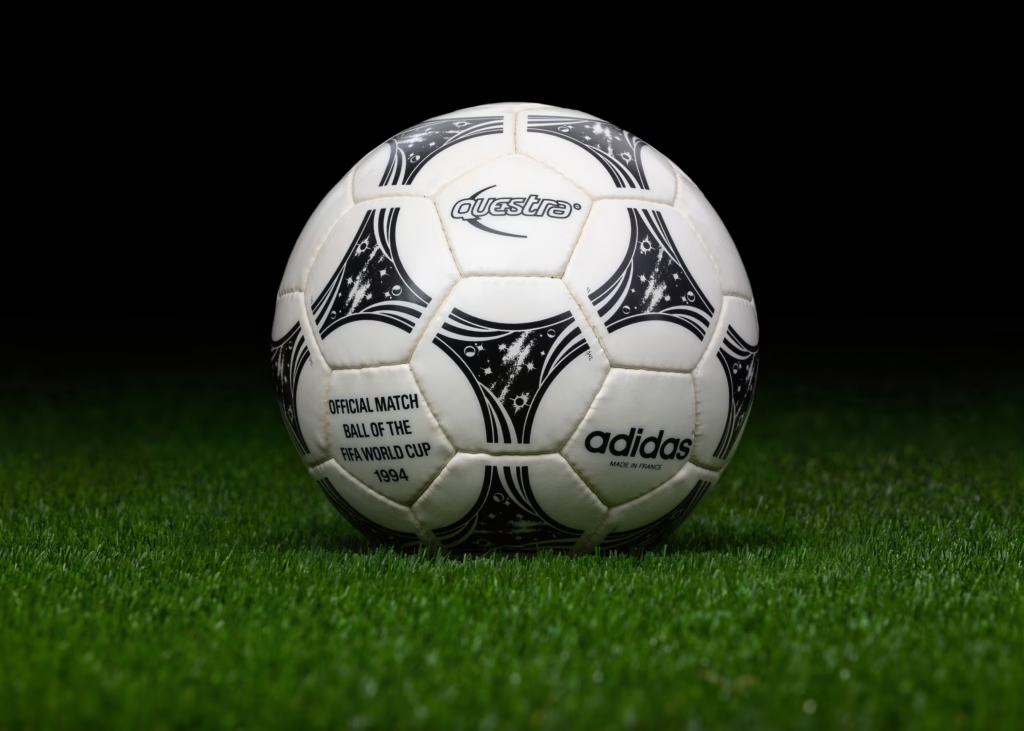
Celebrating America’s space legacy, the Questra’s cosmic graphics nodded to NASA achievements. Although visually striking, it lacked deep cultural symbolism tied to U.S. heritage, placing it mid-table.
9. Azteca (Mexico 1986)
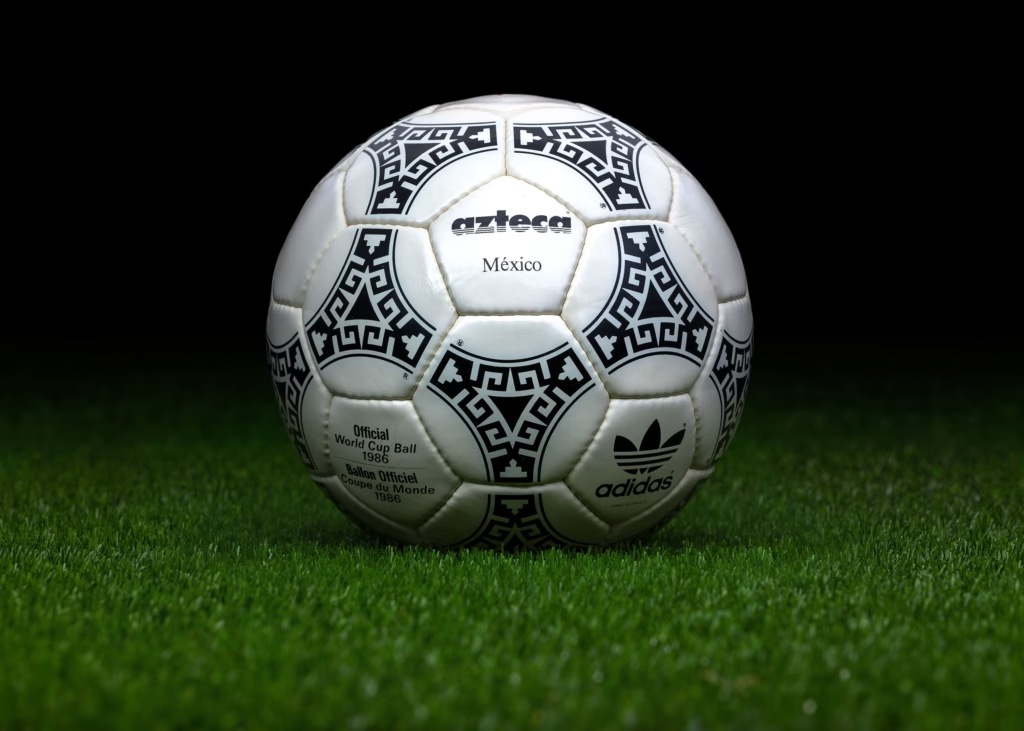
The first fully synthetic World Cup ball introduced Aztec motifs on its triads, seamlessly blending tradition and technology. Its vibrant patterns marked a leap forward, though a bolder array of symbols might have elevated its impact.
8. Teamgeist (Germany 2006)
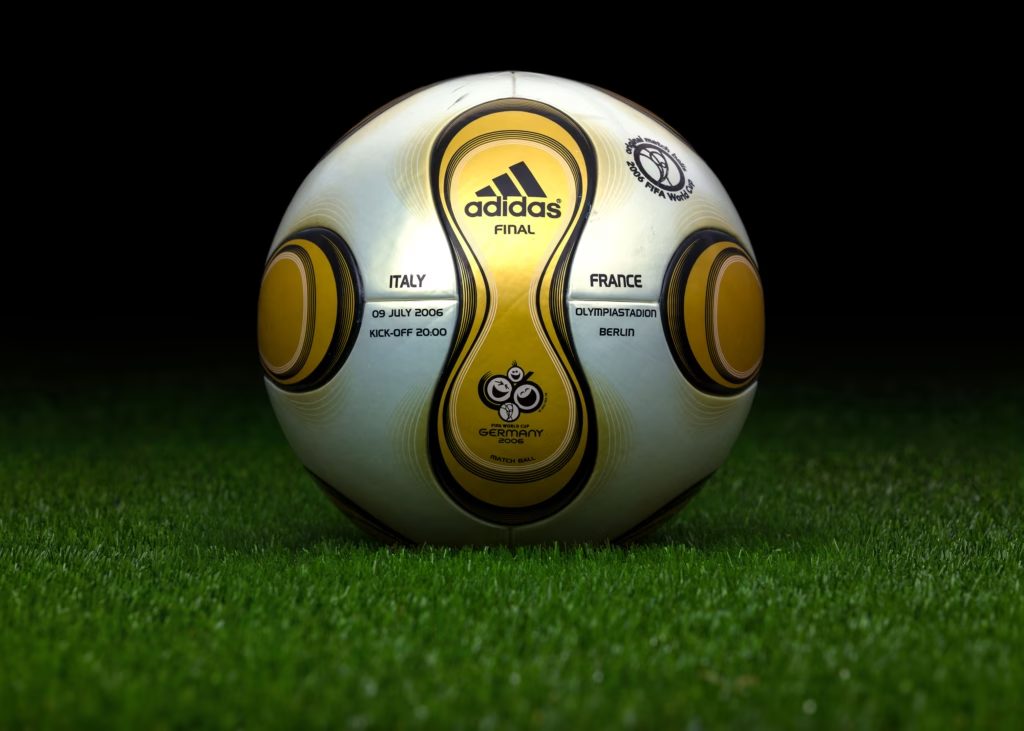
A return to monochrome accented with gold, the Teamgeist replaced stitched hexagons with 14 thermally bonded panels, achieving near-perfect sphericity. Its figure-eight shapes referenced the trophy’s curves, marrying performance with elegant minimalism.
7. Tricolore (France 1998)
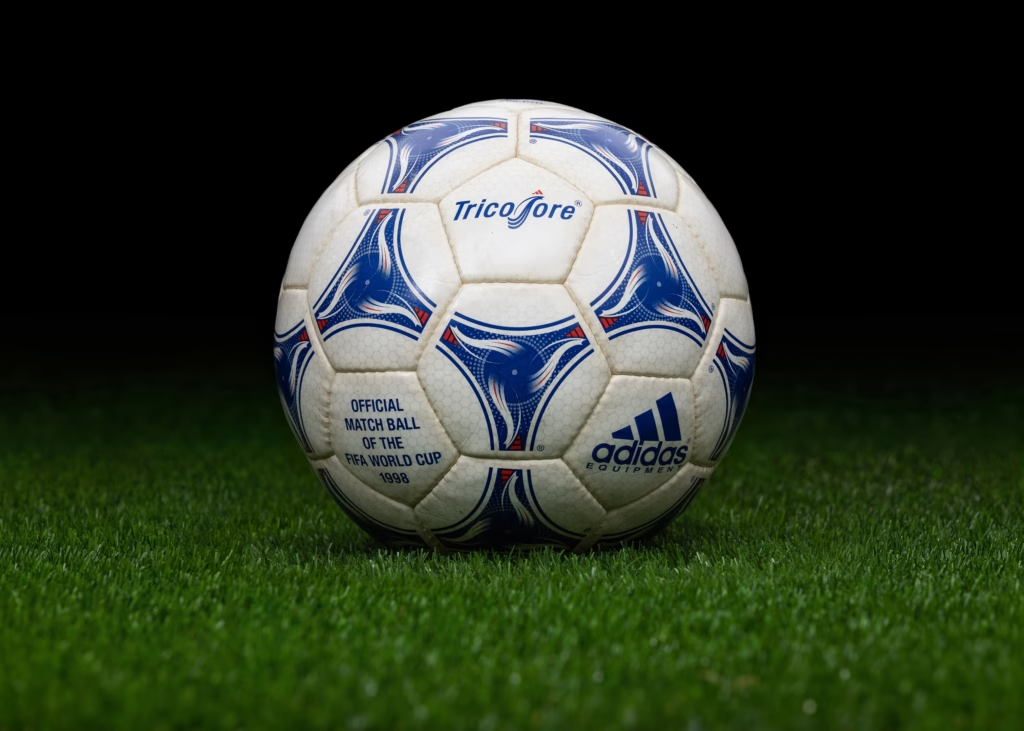
France’s flag colors burst onto the field for the first time, with three cockerels embedded in each triad to symbolize national pride. Introducing a foam exterior layer, the Tricolore combined rich cultural iconography with enhanced playability.
6. Etrusco Unico (Italy 1990)
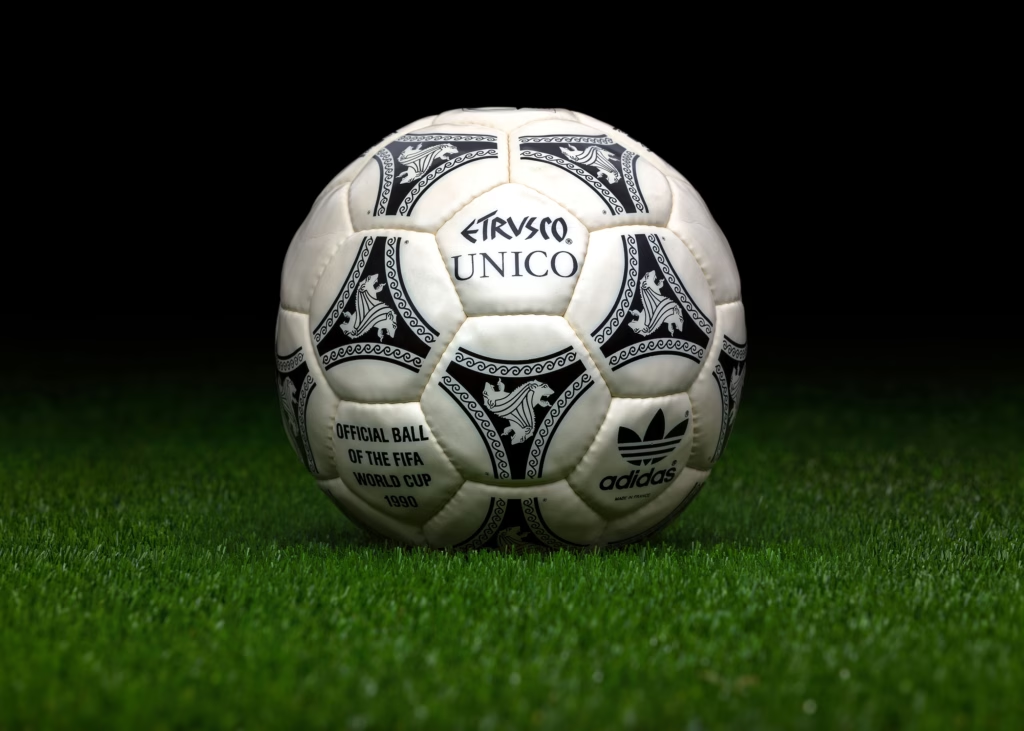
Drawing from Etruscan art, roaring lion heads and ancient-style fonts adorned the panels. This homage to Italy’s pre-Roman civilization offered a more meaningful cultural narrative than its predecessors, marrying historical reverence with reliable match performance.
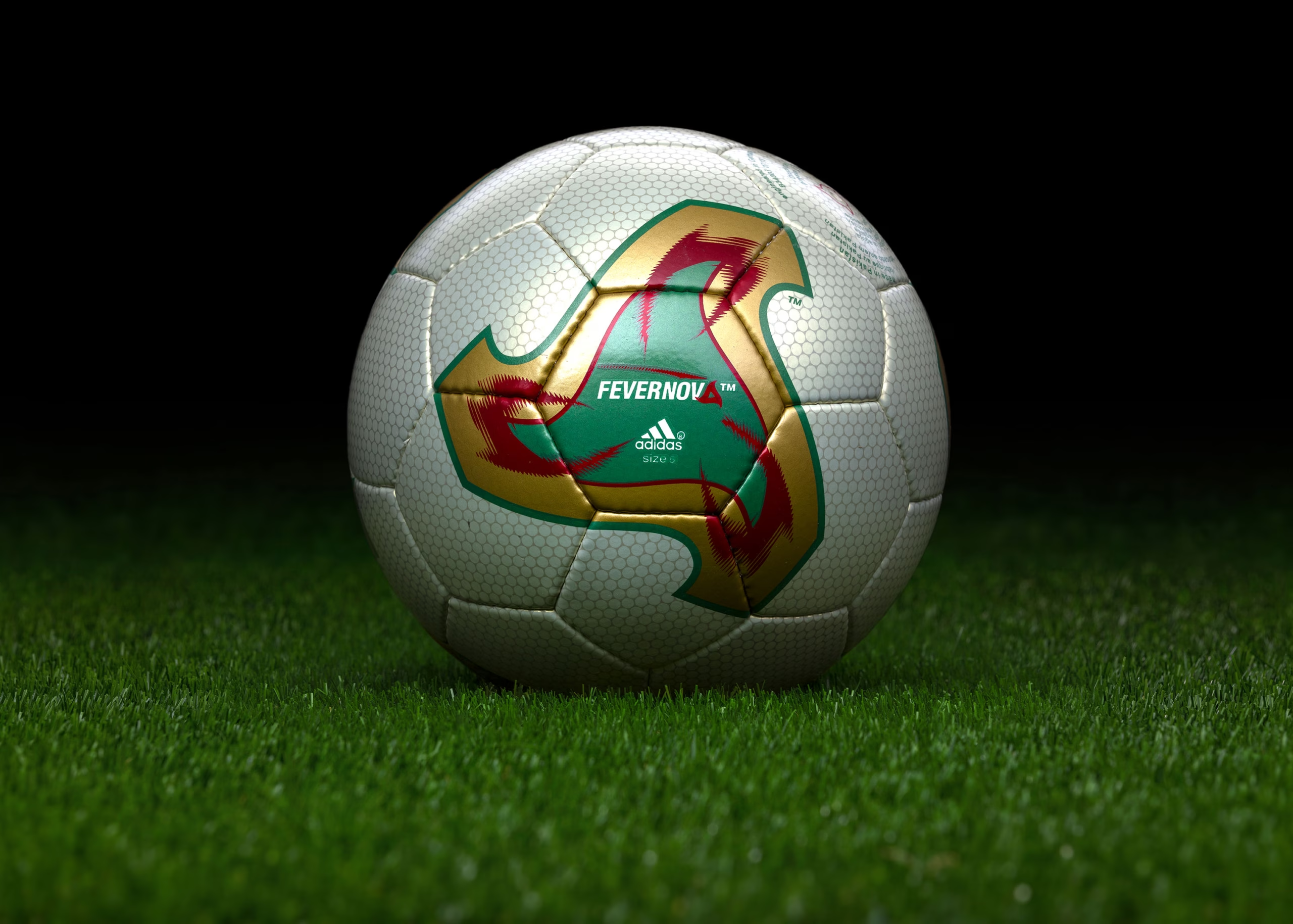
5. Fevernova (Korea/Japan 2002)
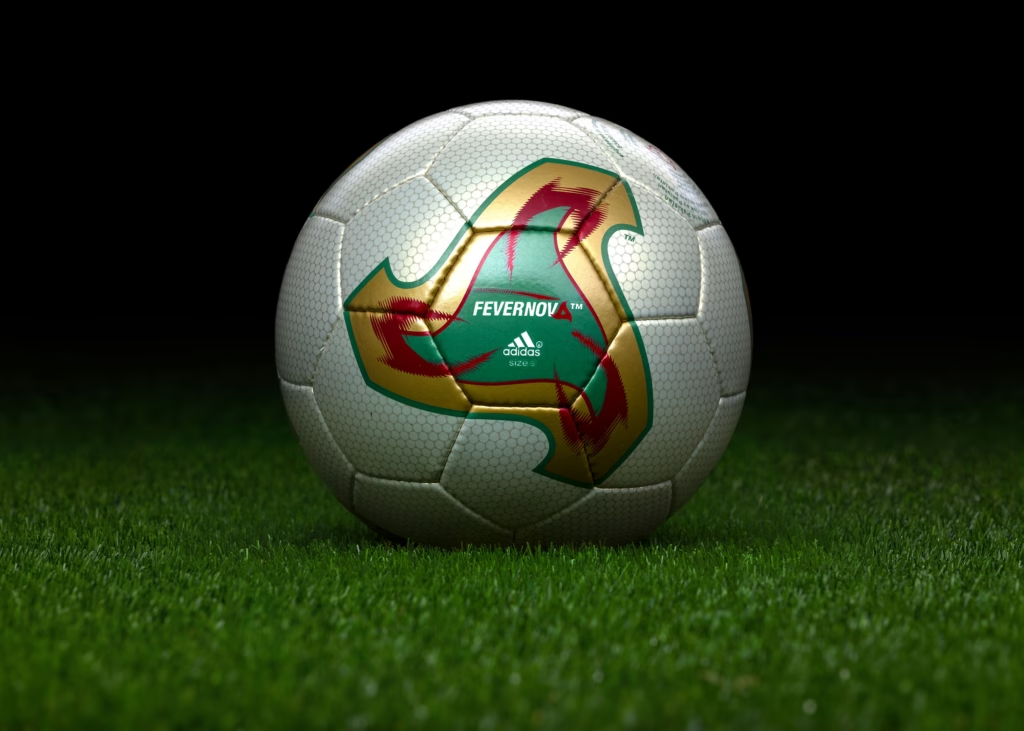
Breaking from 20 years of tradition, the Fevernova’s Japanese tomoe-inspired patterns and gold accents ushered Adidas into the new millennium. Despite mixed reviews on flight behavior, its bold design and precious-metal aesthetics marked a clear departure from the familiar.
4. Al Rihla (Qatar 2022)
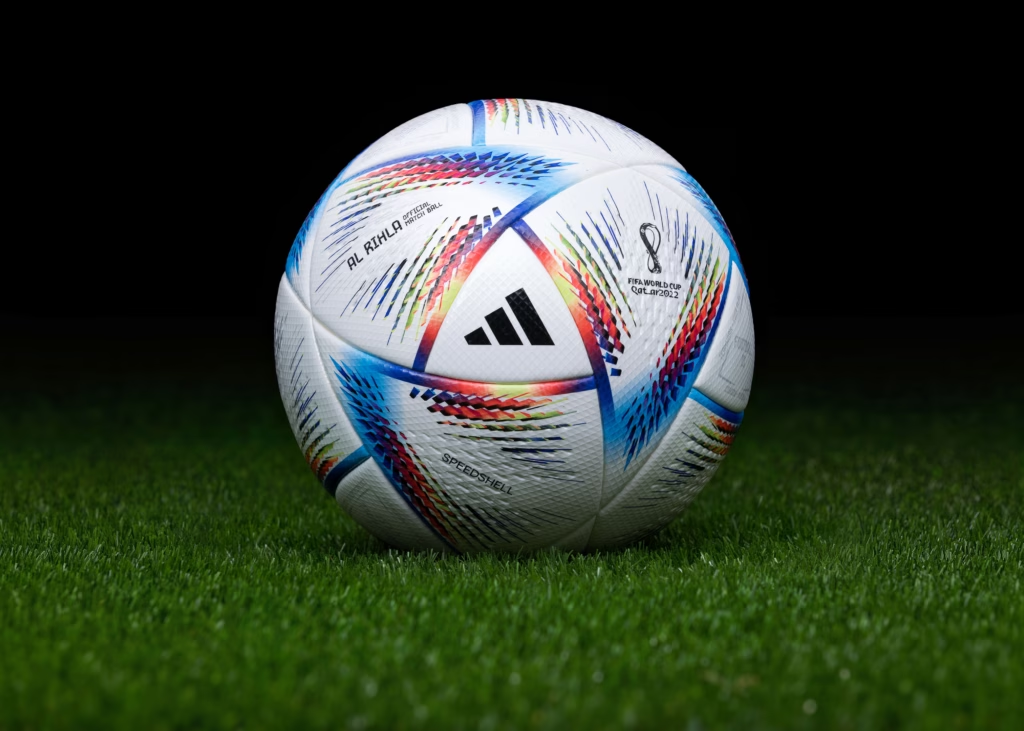
Touted as the fastest ball in tournament history, the Al Rihla featured vibrant streaks referencing Qatar’s architectural and maritime heritage. Embedded “Connected Ball” sensors aided offside decisions, showcasing advanced match-official support technology.
3. Telstar (Mexico 1970)
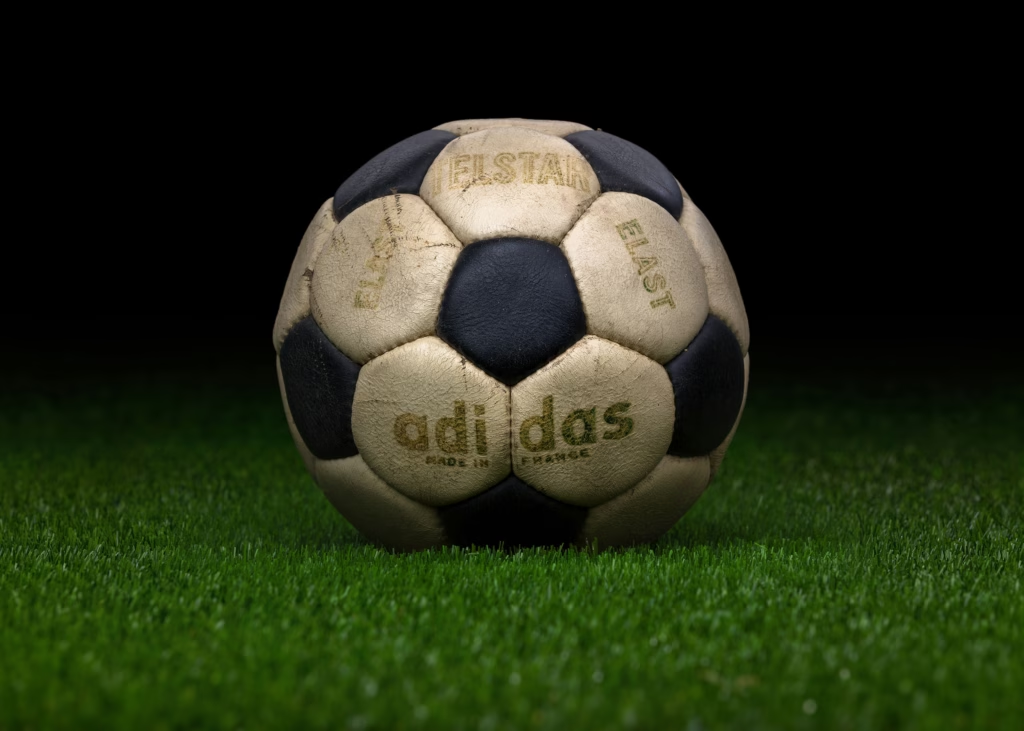
The progenitor of the modern football icon, the 32-panel Telstar’s black-and-white pattern became synonymous with the sport itself. Its ubiquitous silhouette in media and art cemented the ball’s legacy, launching Adidas’s enduring World Cup partnership.
2. Brazuca (Brazil 2014)
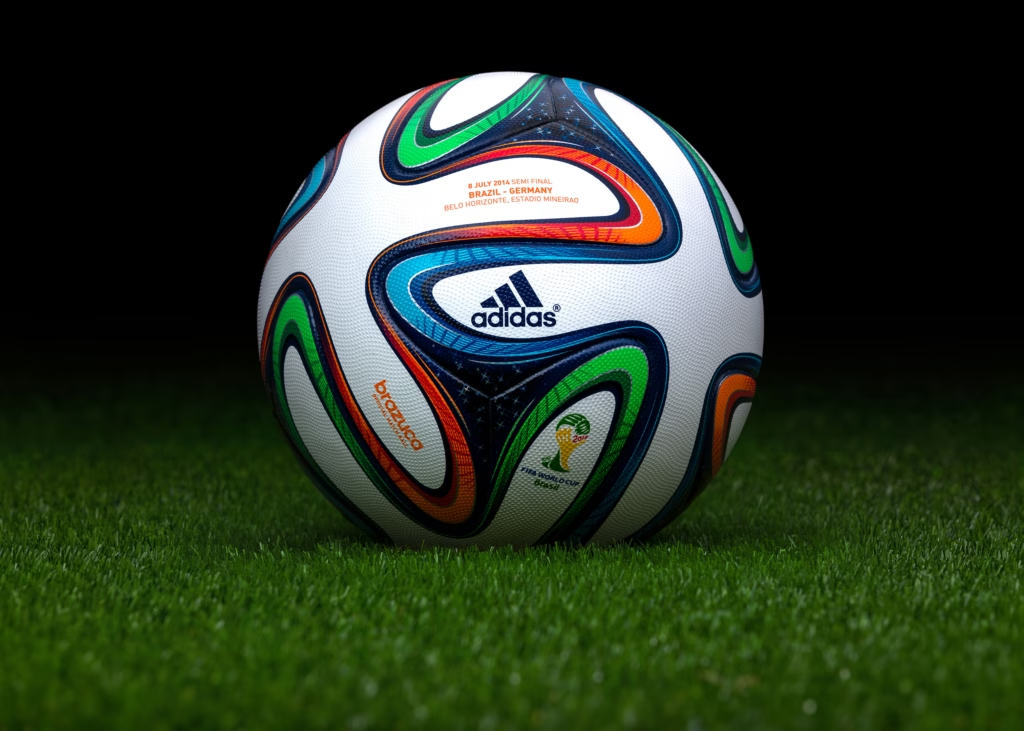
After the Jabulani debacle, the Brazuca underwent rigorous testing by over 600 players and 30 scientific teams. Its colorful ribbon-like patterns reflected Brazilian vibrancy, and player feedback praised its consistent flight and touch, restoring confidence in World Cup ball design.
1. Trionda (Canada/Mexico/USA 2026)
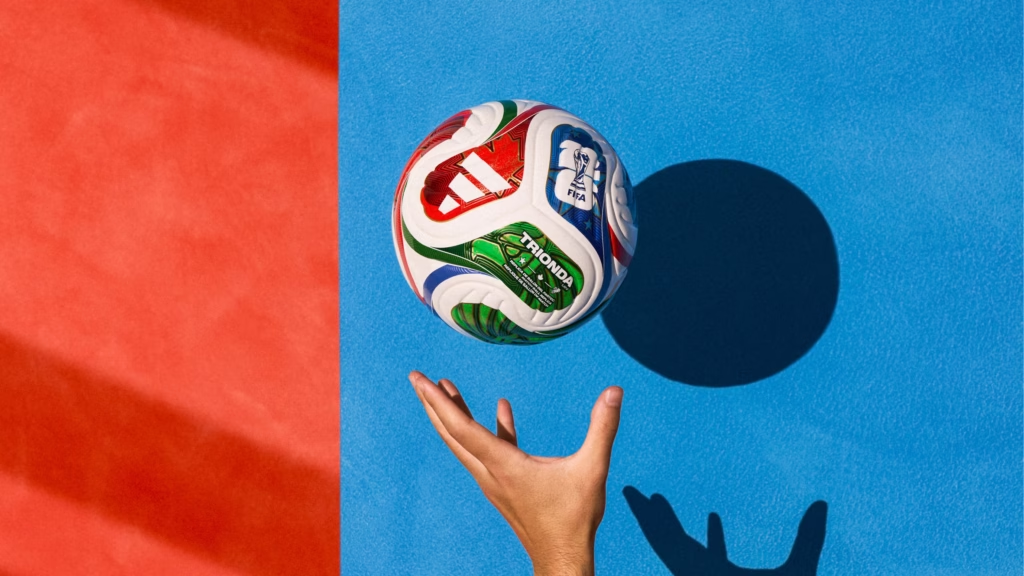
Unveiled ahead of the 2026 tournament, the Trionda’s tri-country design features maple leaves, eagles, and stars merging in a triangular motif. Beyond aesthetics, an internal motion sensor transmits 500 positional updates per second, enabling real-time data on every touch. Representing multi-nation unity and next-generation connectivity, the Trionda stands poised to redefine the match ball’s role both on and off the pitch.
Conclusion
From the ground-breaking Telstar to the sensor-laden Trionda, FIFA World Cup balls have continually evolved, reflecting advances in materials science, design innovation, and cultural storytelling. Each iteration tells a story of its time—some triumphant, others controversial—but collectively they chart the rich tapestry of football’s premier global stage.