
The Ancient Roots That Shaped Today’s Beautiful Game
Football’s journey spans over 2,000 years, beginning with ancient civilizations who first kicked a ball in organized games. The earliest recognized form was Cuju, played during China’s Han Dynasty (206 BC – 220 AD), where players kicked a leather ball filled with fur through a small opening in a net. This ancient game required remarkable skill and teamwork, laying the foundation for what FIFA now recognizes as football’s earliest ancestor.
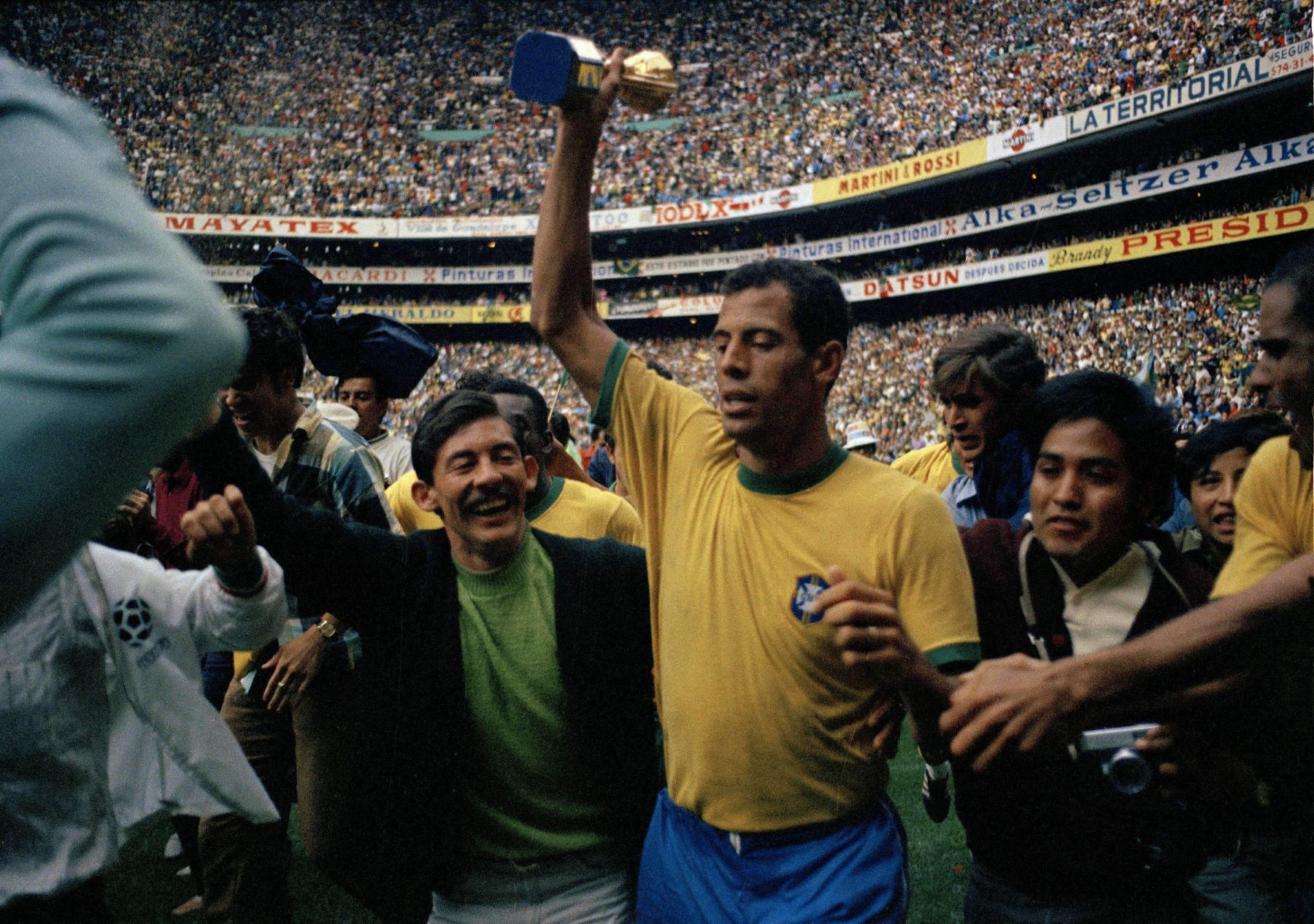
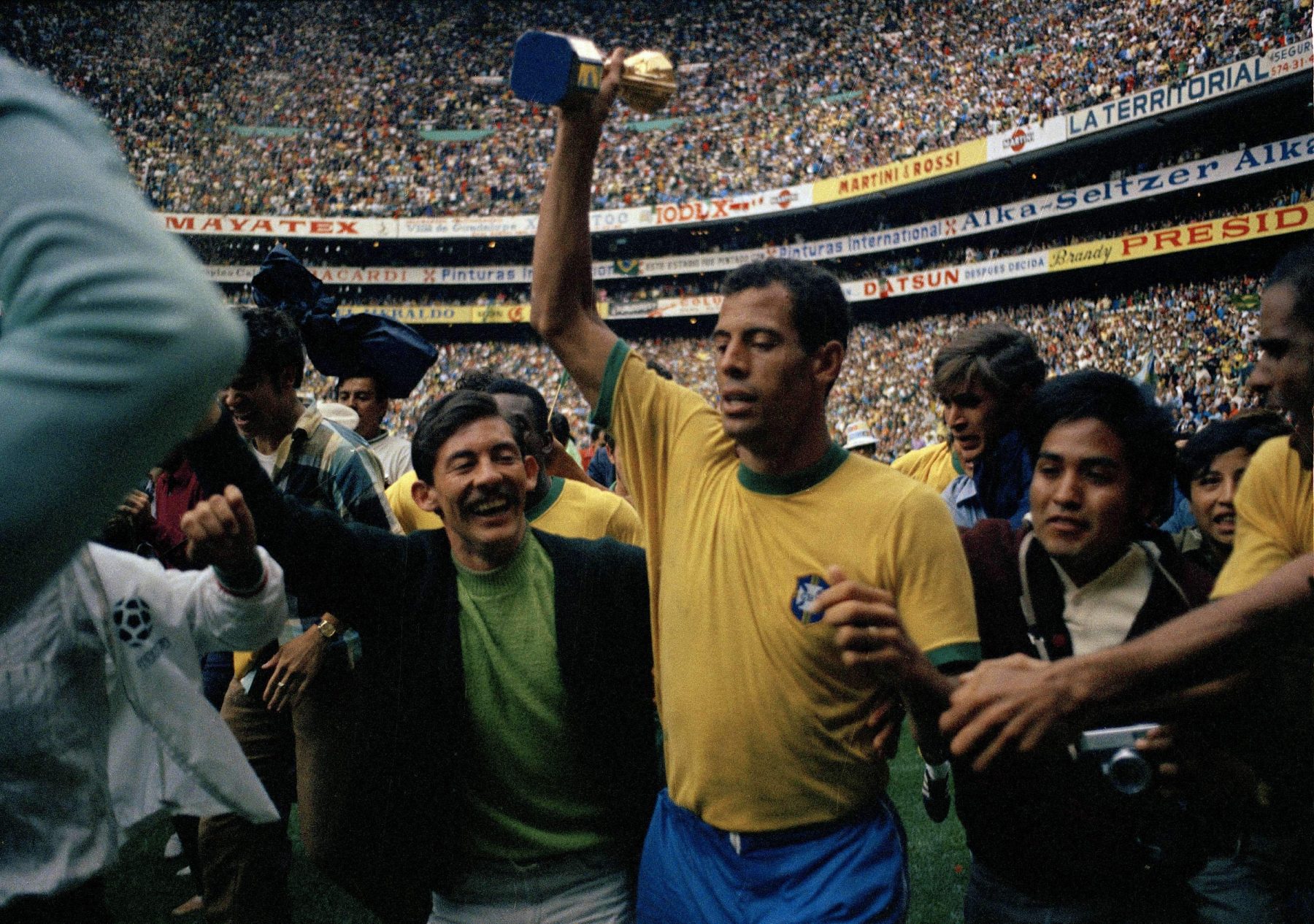
Pele celebrating with the FIFA World Cup trophy during Brazil’s 1970 World Cup victory at a packed stadium.
Ancient Greece contributed Episkyros, while Rome developed Harpastum, both involving teams attempting to move a ball across territorial boundaries. These games shared football’s core principle: collective effort to achieve a common goal through ball control and strategic movement.footballhistory+1
Medieval England: The Chaotic Birth of Modern Football
Medieval England transformed these ancient concepts into something more recognizable. By the 12th century, entire villages engaged in massive football matches that could span miles and involve hundreds of participants. These chaotic encounters, often violent and destructive, led to multiple royal proclamations banning the sport throughout the centuries.
The game’s true evolution began in 19th century English public schools. Each institution developed its own rules – Eton, Harrow, and Rugby all played distinctively different versions. This diversity created confusion when schools competed against each other, highlighting the urgent need for standardization.
1863: The Year That Changed Everything
The pivotal moment arrived on October 26, 1863, when representatives from eleven London clubs gathered at the Freemasons’ Tavern. This historic meeting established The Football Association (The FA) and created the first standardized “Laws of the Game.” These rules distinguished association football from rugby by prohibiting hand usage (except for goalkeepers) and eliminating the violent “hacking” that characterized earlier versions.

The iconic golden FIFA World Cup Trophy symbolizing football’s pinnacle achievement
The Cambridge Rules of 1848 had attempted earlier unification, but The FA’s 1863 laws proved decisive. Within decades, football clubs worldwide adopted these regulations, creating the unified sport we recognize today.
Global Expansion and Cultural Impact
Football’s appeal transcended national boundaries remarkably quickly. The first international match occurred in 1872 between Scotland and England, ending in a historic 0-0 draw. The FA Cup, established the same year, became the world’s oldest football competition and remains prestigious today.
By 1888, England’s Football League created structured professional competition. This organizational model spread globally, with countries establishing their own leagues and national associations. Football’s simplicity – requiring only a ball and open space – made it accessible to people regardless of economic status, contributing to its universal appeal.
The sport’s cultural significance grew beyond mere entertainment. In Nigeria during the 1960s, civil war temporarily ceased when Pelé visited with Santos. This demonstrates football’s unique power to unite people across political and cultural divides, earning its reputation as the world’s universal language.